
Automatic Door Systems in Pakistan – Smart, Convenient and Modern Access Solutions
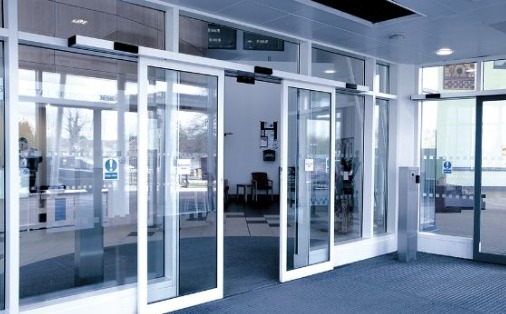
Automatic Door Systems provide a convenient and modern way to control access to residential, commercial, healthcare, retail, hospitality, and industrial properties. These systems allow doors to open and close automatically through sensors, push buttons, remote controls, access-control devices, or other compatible technologies.
In Pakistan, automatic doors are increasingly useful in locations where smooth and hands-free movement is important. They can be installed at office entrances, shopping centers, hotels, clinics, hospitals, restaurants, showrooms, apartment buildings, and other busy properties. Automatic operation can make entrances easier to use while reducing the need for people to manually push or pull heavy doors.
Teknomation can offer automation solutions based on the type, size, weight, and usage requirements of the door. Before installation, factors such as available space, door structure, traffic level, power supply, and required access-control features should be considered to select a suitable system.
How Do Automatic Door Systems Work?
An Automatic Door System uses a motorized mechanism and control unit to operate the door when a triggering device sends a signal. In a sensor-based system, motion or presence sensors can detect a person approaching the entrance and activate the door. Other systems may use push buttons, remote controls, access cards, keypads, or intercom systems.
The installation process begins with an assessment of the existing door and entrance area. The technician checks the door’s weight, alignment, hinges or tracks, available clearance, and overall condition. If the door has mechanical problems, these should be addressed before automation to avoid unnecessary stress on the automated mechanism.
After selecting the appropriate equipment, the operator, sensors, control unit, and required accessories are installed and tested. Safety features can also be incorporated to help prevent the door from closing when an obstacle is detected. The final configuration depends on the property’s requirements and the type of automatic door being used.
Benefits of Automatic Door Systems
One of the biggest advantages of Automatic Door Systems is convenience. Users can enter and exit without manually handling the door, which is particularly helpful in busy environments. Automatic operation can also be useful for people carrying packages, shopping bags, equipment, or other items.
These systems can also improve accessibility by providing easier entrance and exit for people who may find manually operated doors difficult to use. In commercial environments, automatic doors can support smoother customer movement and help manage high levels of foot traffic.
Automatic doors can also be integrated with access-control solutions. Depending on the setup, businesses and property owners can use keypads, access cards, remote controls, intercoms, or other systems to manage entry. Properly installed sensors and safety mechanisms are important for maintaining controlled and safe door movement.
For properties across Pakistan, including Lahore, Karachi, Islamabad, Rawalpindi, and other cities, environmental and operational conditions should be considered during installation. Dust, humidity, frequent usage, power fluctuations, and outdoor exposure can influence system performance, making suitable equipment and regular maintenance important.
Common Automatic Door Problems and Professional Support
Like other mechanical and electrical systems, automatic doors may develop problems through regular use. Common issues include slow opening, unusual noises, doors failing to respond to sensors, incomplete closing, sensor errors, remote-control problems, electrical faults, and inconsistent movement.
The cause is not always the automatic operator itself. Worn rollers, damaged hinges, misalignment, obstructions, loose connections, sensor positioning, or power-related issues can also affect performance. For this reason, proper troubleshooting should involve checking the complete door system rather than replacing components without identifying the underlying problem.
Professional maintenance may include inspecting the motor, control panel, sensors, wiring, moving components, safety features, and door alignment. Regular inspection can help identify developing issues before they affect normal operation.
Teknomation focuses on practical automation requirements for different property types. Whether a customer needs a new automatic door system, maintenance, troubleshooting, or an upgrade to an existing setup, the solution should be selected according to the door’s design, usage level, available space, and access requirements.
Conclusion
Automatic Door Systems can make entrances more convenient, accessible, and efficient for homes, offices, commercial properties, healthcare facilities, and other buildings. With the right automation equipment, sensors, access controls, and professional installation, a manually operated door can be transformed into a modern automated entrance. Choosing equipment according to the door’s structure and operating environment is essential for reliable performance.
FAQs
1. What are Automatic Door Systems?
Automatic Door Systems are motorized solutions that allow doors to open and close automatically using sensors, push buttons, remote controls, access cards, or other compatible devices.
2. Where can automatic doors be installed?
They can be installed in offices, hospitals, clinics, hotels, shopping centers, restaurants, retail stores, residential buildings, showrooms, and many other properties.
3. Can an existing door be converted into an automatic door?
In many cases, yes. An existing door can potentially be automated if its structure, weight, alignment, and available space are suitable for an automatic operator.
4. Why does an automatic door stop working properly?
Possible causes include sensor faults, power problems, damaged mechanical components, misalignment, wiring issues, obstructions, or problems with the motor and control system.